
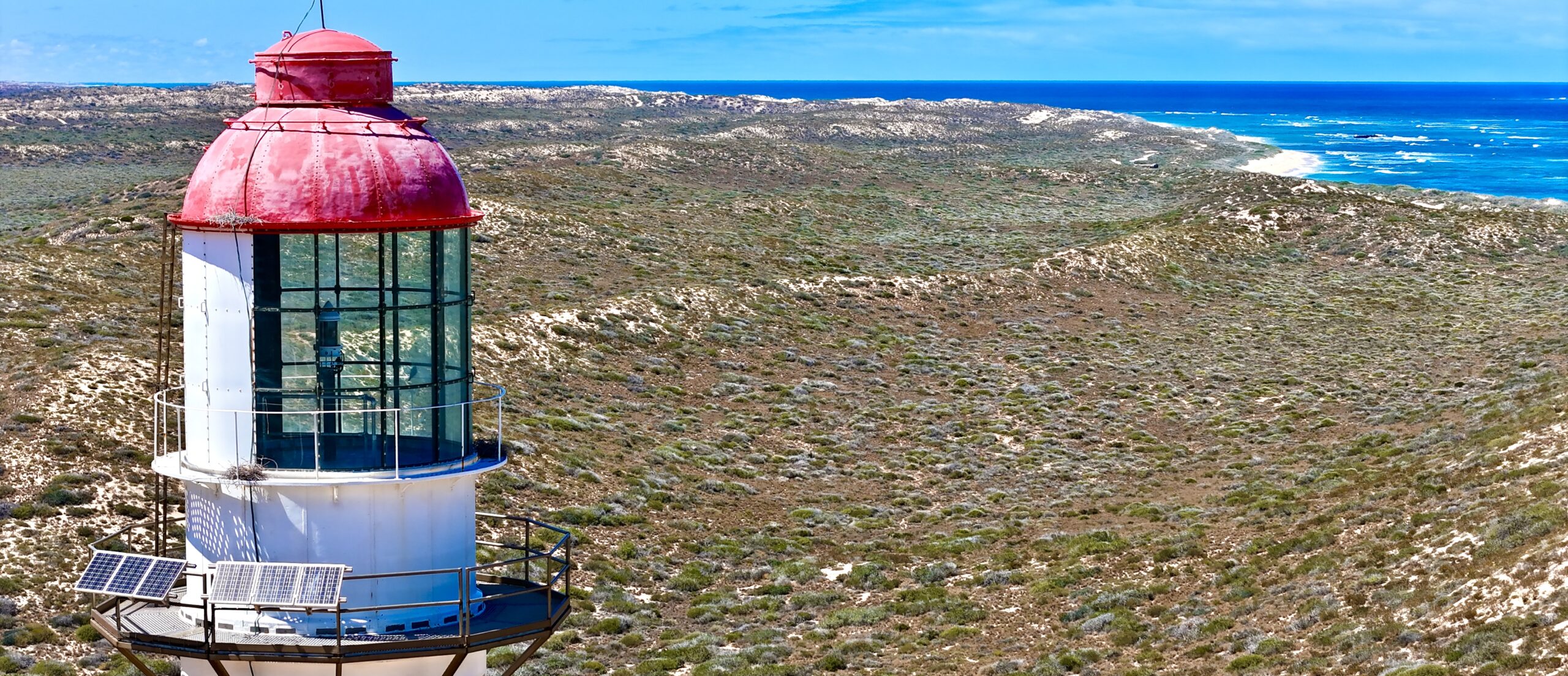

Over the past 130 years there have been a number of lighthouses built to assist mariners navigate the treacherous waters surrounding the Ningaloo reef system and barren coast of the North West Cape. Each of the three lighthouses below has an interesting history and each has either been destroyed, damaged or decommissioned and replaced with more modern technology but I have included them as they played an important role in the development of the North West and their legacy should not be forgotten.
124: Point Cloates Lighthouse:
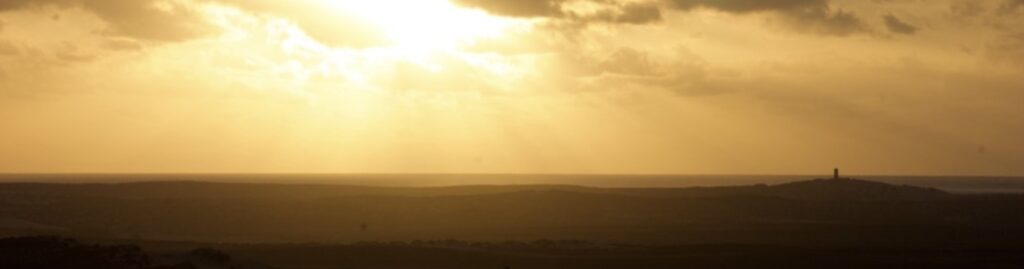
Point Cloates lighthouse was constructed on Cloates Hill which is on the traditional land of the Baiyungu and Yinikutira peoples, who call the coast Nyinggulu ( meaning deep water), and inaccurately translated to Ningaloo as it is more commonly called today. This was one of Australia’s most isolated locations 100 km south of the nearest settlement at Exmouth on the North West Cape and 150 km north of Carnarvon.
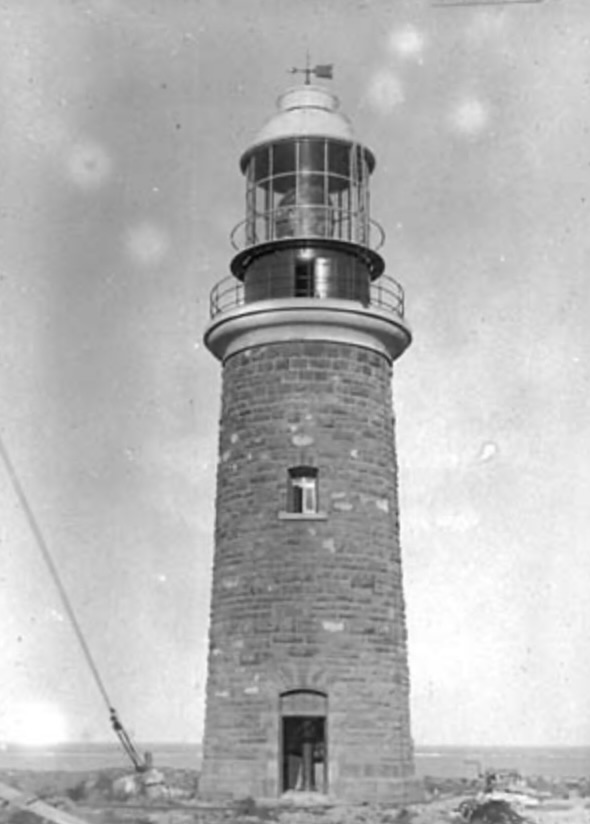
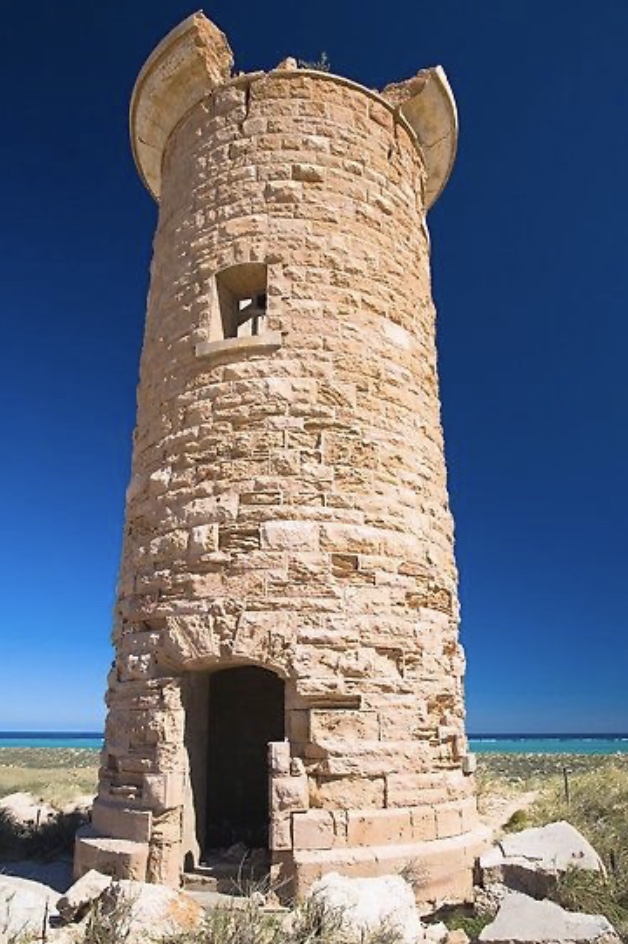
Built from local limestone in 1910 the lighthouse served one of Western Australia’s most challenging postings. Two keeper families endured extreme hardship sharing a single cramped cottage surviving through self-sufficiency and trading with local Aboriginal people. Their children studied by correspondence until old enough to be sent away to relatives for proper schooling.
The lighthouse’s service was tragically brief. By the mid-1930s poor foundations on the sandhill and a rumored earthquake caused severe structural damage forcing abandonment after just 26 years. In 1936 authorities built a replacement light on Fraser Island, a sandy islet offshore, reusing the original lantern and staircase (later transferred to Point Quobba Lighthouse in 1949). But Fraser Island Lighthouse met an even more dramatic fate. In 1966 a devastating storm literally blew away the sandy islet beneath it, collapsing the steel tower into the sea, one of the most spectacular lighthouse failures in Australian history. The islets long gone but the lighthouse wreckage is still underwater today.
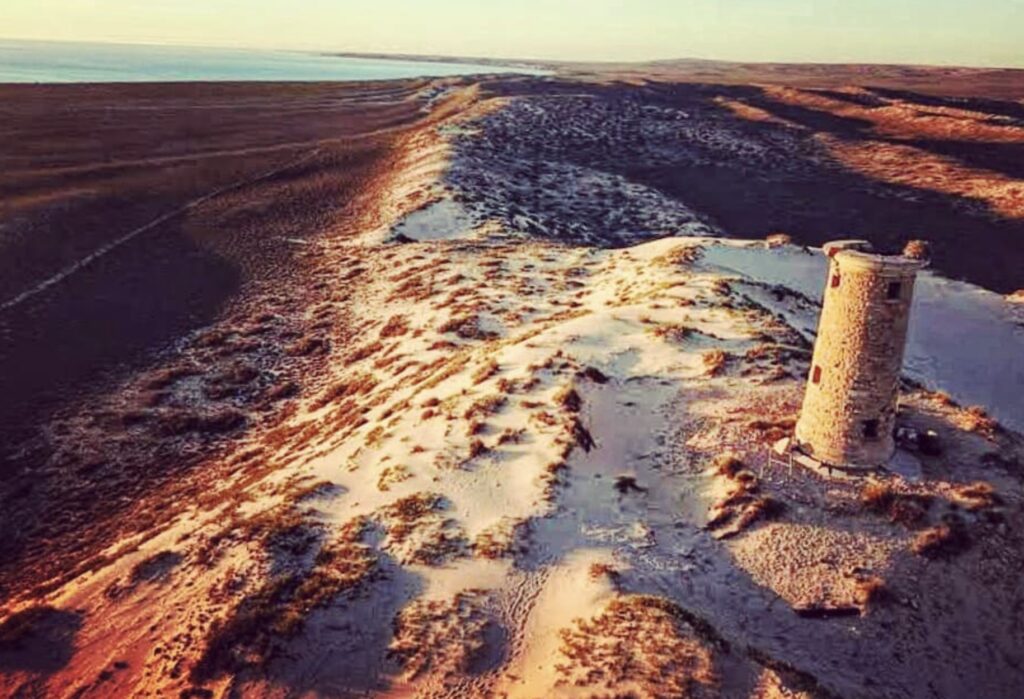

Remarkably, navigational duties have now turned full circle to Point Cloates where a modern automated light now stands approximately one kilometre from the original ruins. The limestone tower remains on private pastoral land, a haunting monument to the dedication of lighthouse families who endured extraordinary isolation and hardship in the service of maritime safety.
Technical Summary
Constructed: 1910
Designer/Builder: Commonwealth-funded construction using local limestone from Cape Range
Light Apparatus: Details not extensively documented
Automated: 1933 (acetylene gas system)
Decommissioned: 1936 (structural failure)
Tower Status: Abandoned ruins; heritage-listed 2000
Replacement: Fraser Island Lighthouse (1936-1966, destroyed by storm); current GRP automated light (1966-present)
125: Babbage Island Lighthouse:
Standing on Babbage Island at the mouth of the Gascoyne River on Western Australia’s northwest coast Babbage Island Lighthouse occupies a unique position in Australia’s maritime heritage. Unlike its more isolated counterparts along this rugged coastline this lighthouse served the developing port town of Carnarvon guiding coastal steamers carrying wool, cattle, and passengers through the treacherous approaches to what became, by the 1890s, the major port of the Gascoyne region.
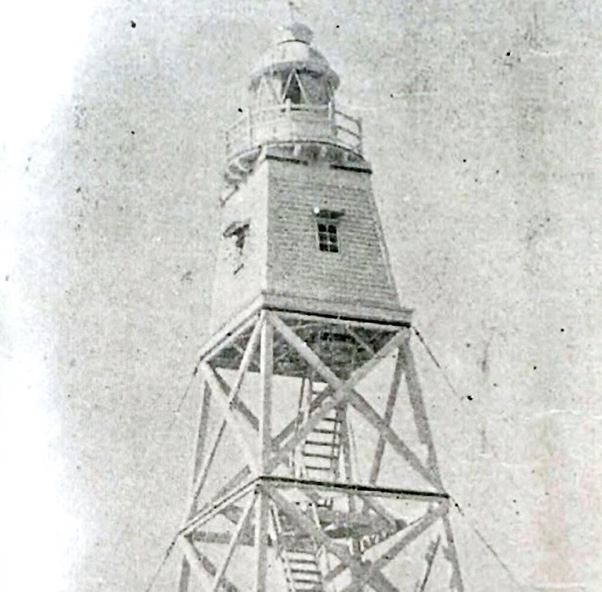
Built in 1896-97 as part of a major expansion of port facilities the lighthouse stood on a site 13 m above sea level, its wooden framework tower rising 18 m to support a fourth-order dioptric light visible for 15 miles in good conditions. Unlike the remote stations where lighthouse families endured years of isolation Babbage Island’s keepers lived within reach of town connected by the mile-long tramway that became the lifeline of Carnarvon’s wool and livestock trade.
The lighthouse’s role in Carnarvon’s maritime development was inextricably linked to the famous One Mile Jetty, an engineering marvel that stretched 1,438 metres into Carnarvon’s shallow waters. Constructed between 1897 and 1904 to accommodate the region’s booming pastoral industry the jetty became one of the longest in the Southern Hemisphere and served as the primary loading point for wool, livestock and other goods bound for Perth and beyond. The shallow coastal waters around Carnarvon made a long jetty essential as larger vessels could not approach the shore at low tide. The tramway that ran the length of the jetty connected directly to the railway system serving the pastoral stations of the interior creating an integrated transport network that relied on the Babbage Island Light to guide vessels safely to their moorings.
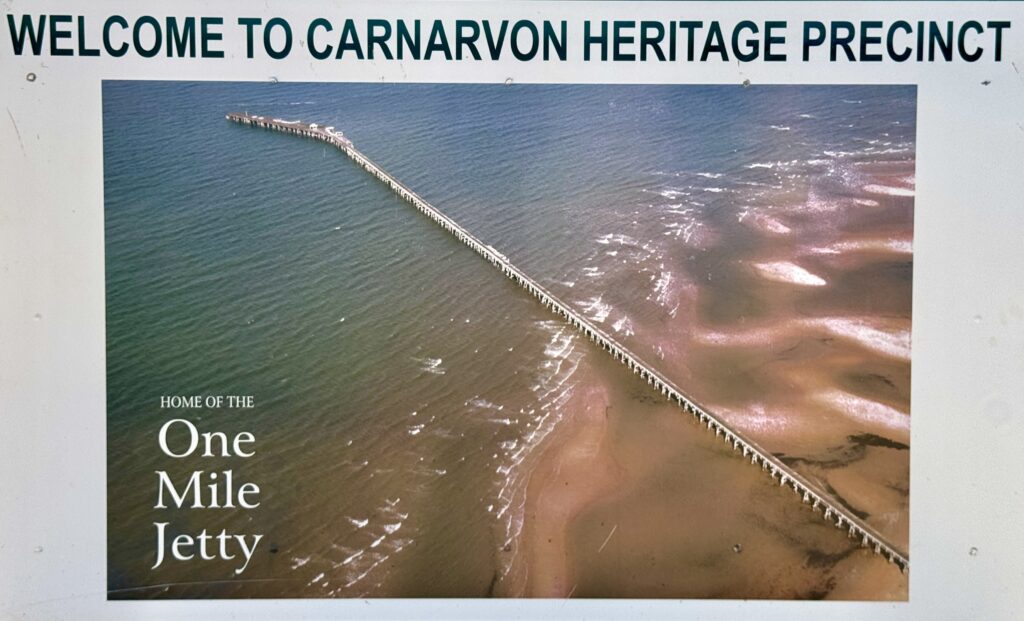
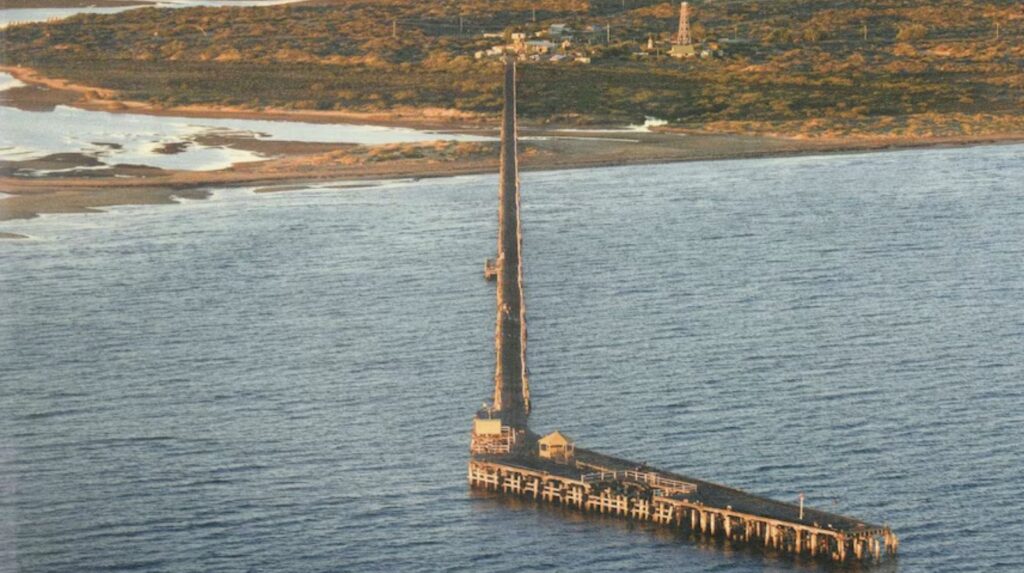
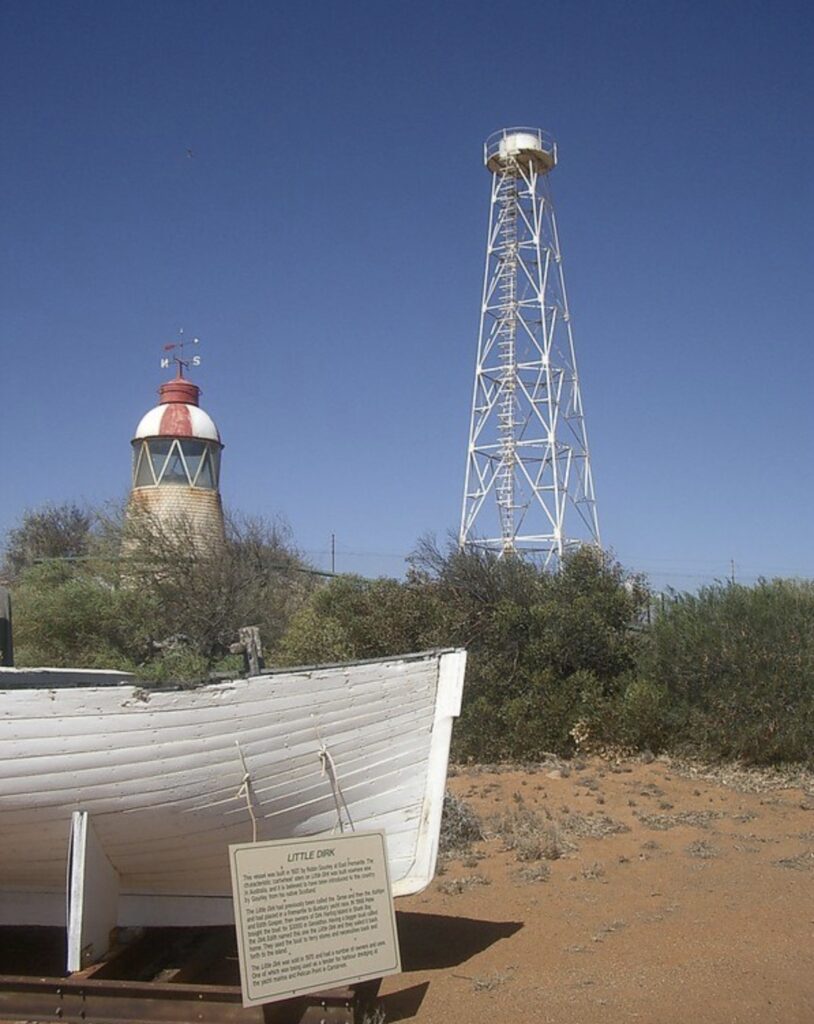
The lighthouse served for 66 years in its original wooden form before fire damaged the tower in 1962 necessitating its replacement with a modern steel skeletal structure. The keepers’ cottage, a simple timber and iron Federation-style dwelling designed by the Public Works Department in 1895, survived this transition and today stands as the centerpiece of the Lighthouse Keeper’s Cottage Museum, opened in 1988 as part of the Carnarvon Heritage Precinct. The original lantern, saved from the damaged wooden tower, is now displayed on the museum grounds as a monument to the lighthouse keepers who maintained this vital navigational aid through decades of Carnarvon’s maritime prosperity.

Technical Summary
Constructed: 1896-97
Designer/Builder: Northwest Branch, Public Works Department; lantern and light supplied by W.T. Douglas
Light Apparatus: Fourth-order dioptric lens; converted from paraffin oil to acetylene 1909
Automated: Date uncertain (lighthouse keeper last in residence 1980)
Tower Status (Original): Wooden tower damaged by fire 1962; replaced by steel skeletal tower
Current Status: Steel tower removed between 2015-2020; original lantern on display at museum
Keeper’s Cottage: Restored as Lighthouse Keeper’s Cottage Museum (opened 1988)
126: Point Quobba Lighthouse:
Perched on a rocky promontory approximately 75 kilometres northwest of Carnarvon Point Quobba Lighthouse stands watch over the crystalline waters of the Indian Ocean where spectacular coral reefs have both attracted and endangered mariners for centuries. The point, formerly known as Point Charles until 1948, was renamed to avoid confusion with a Northern Territory lighthouse of the same name when the Commonwealth Lighthouse Service decided to establish a beacon on this strategic location along Western Australia’s Ningaloo coast.
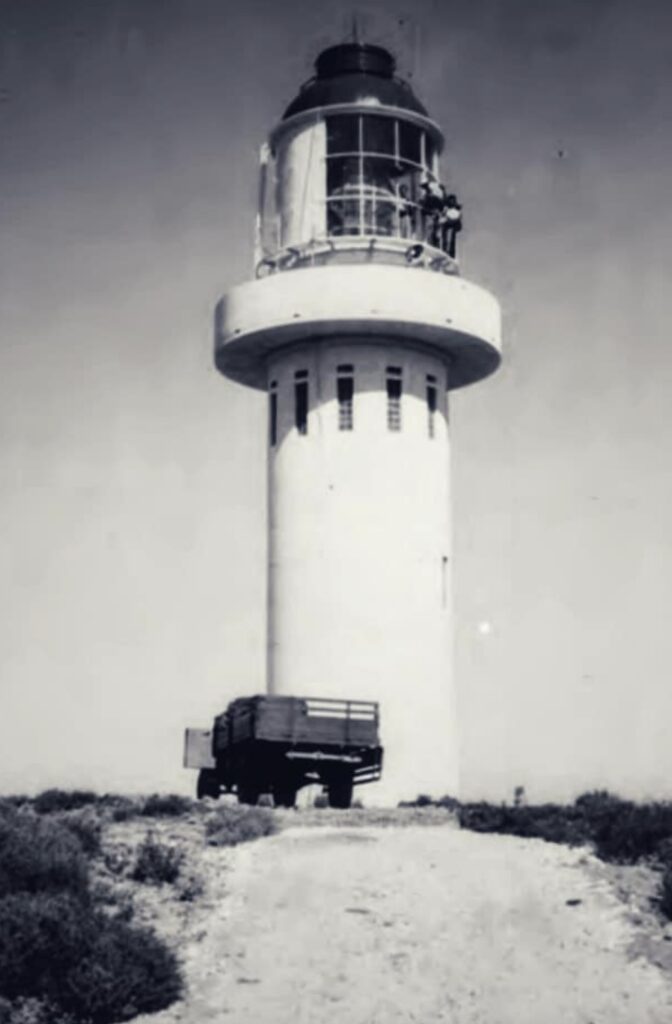
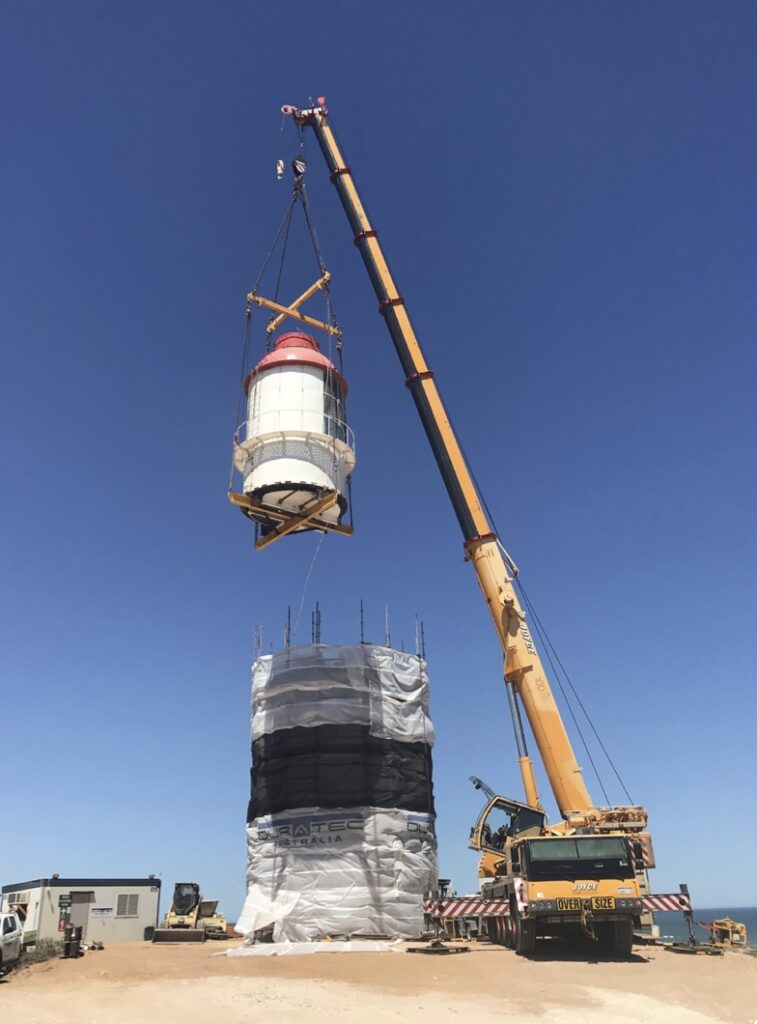

Constructed in 1950 by contractor SV Adams for £5,784, Point Quobba represents a remarkable triumph of lighthouse recycling and technological innovation. The 10.9-metre reinforced concrete tower was fitted with a lantern and stairway that had already served two previous lighthouses, originally installed in Cape Wickham Lighthouse, Tasmania in the 1860s, then transferred to Point Cloates Lighthouse in 1910, before finding its final home at Point Quobba. This extraordinary recycling of components spanning nearly a century represents the practical ingenuity of lighthouse administration ensuring valuable optical equipment continued serving maritime safety across multiple generations.
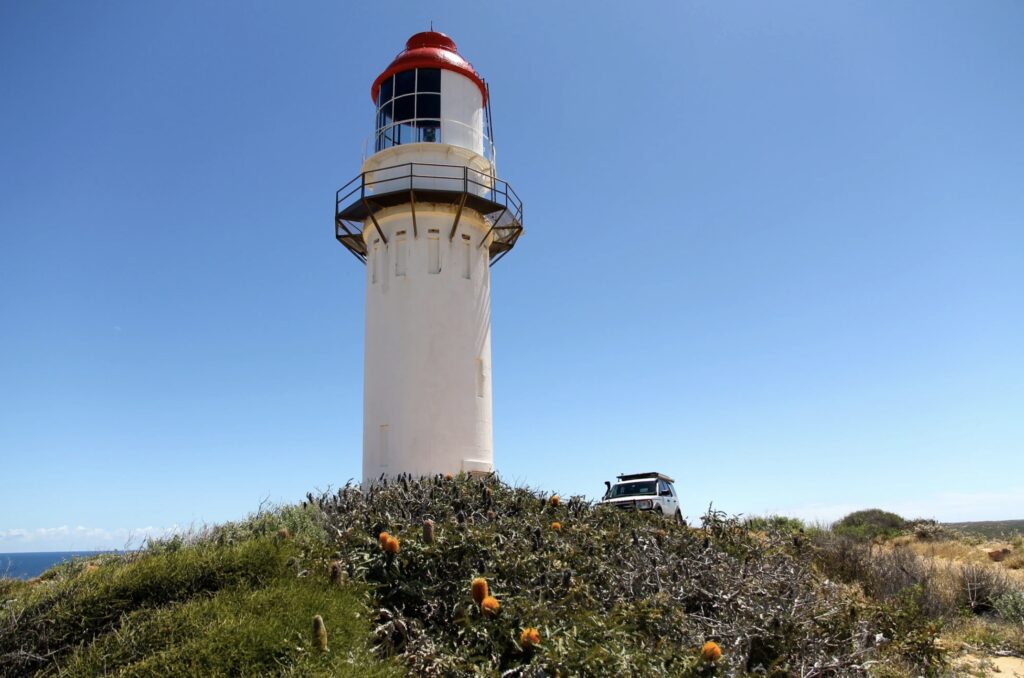
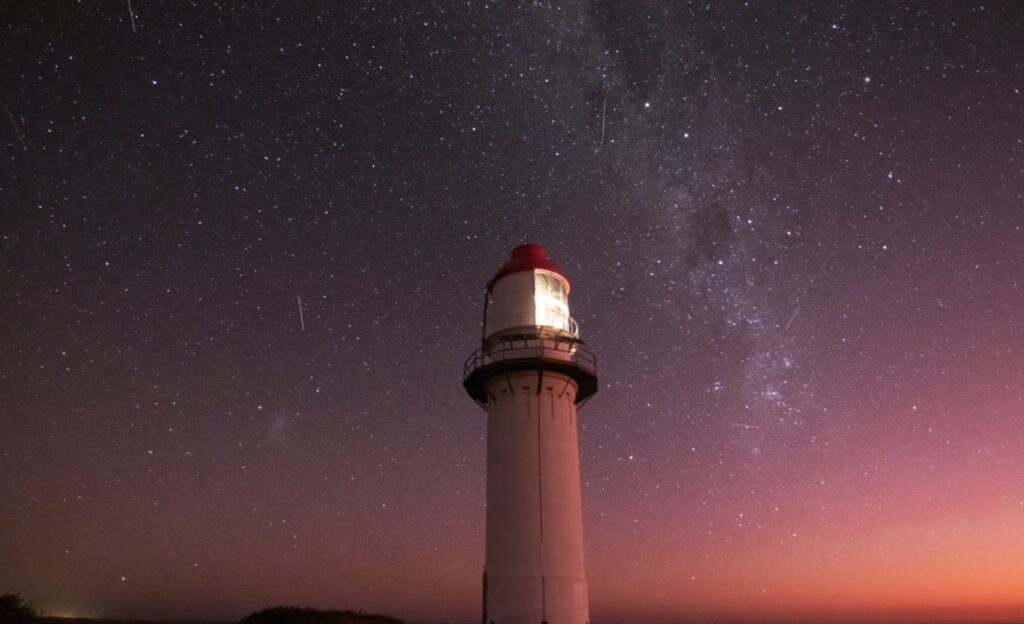
More significantly Point Quobba became the first fully automatic lighthouse in the region fitted with a sun-valve that automatically lit and extinguished the acetylene-powered lamp without human intervention. This eliminated the need for keeper accommodation and represented a revolutionary shift in lighthouse technology, no longer would families endure the isolation and hardship that characterised earlier stations like Point Cloates. Before construction could commence a road had to be built to the remote site, demonstrating the logistical challenges that needed to be overcome on this isolated coast.
In 1988 Point Quobba was modernised with a solar electric FA 251 lantern and the historic original lantern was removed and loaned to the Western Australian Maritime Museum where it remains preserved as a testament to the states lighthouse heritage.
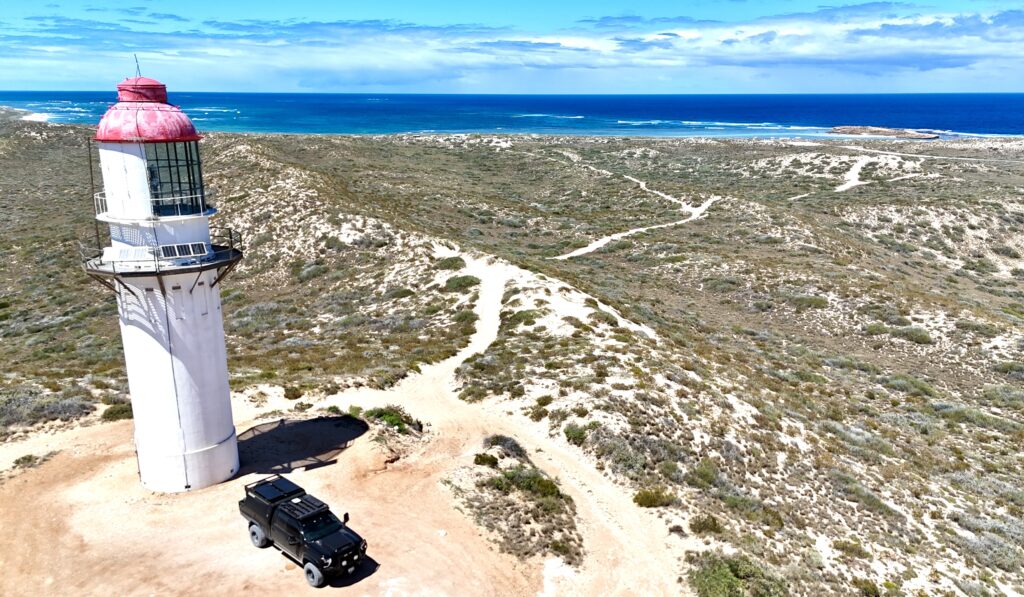
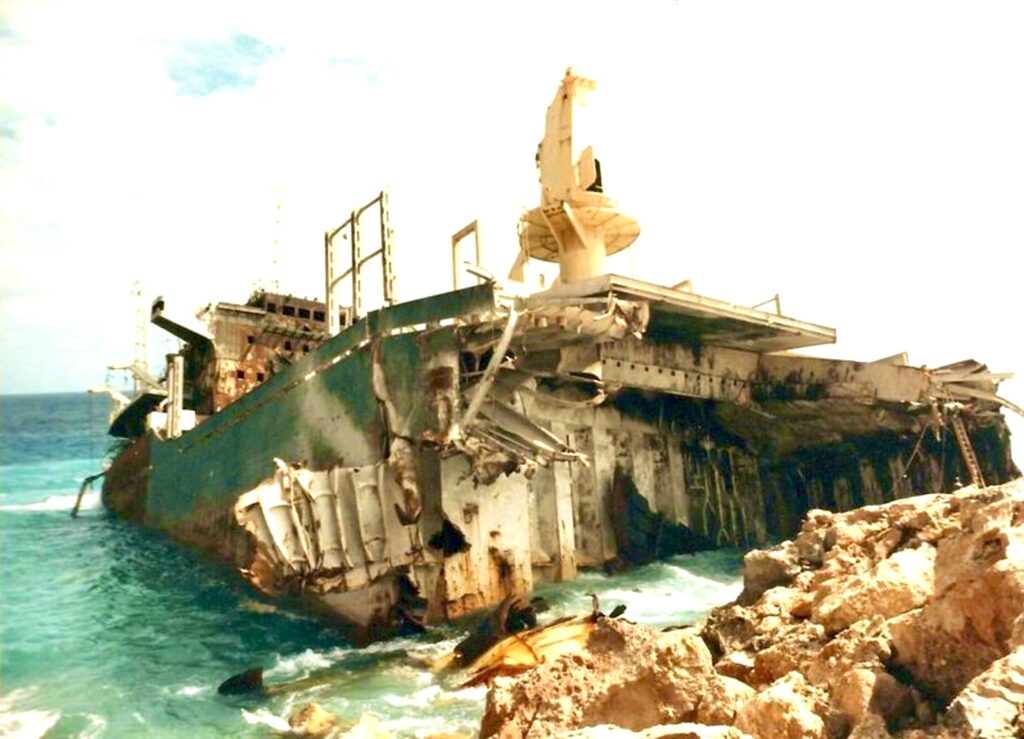
Ironically, despite this upgrade and all the modern advancements in navigation including GPS and autopilots on the 20th May, 1988 the worst shipwreck on the Ningaloo coast in the last 50 years occured when the bulk carrier Korean Star was wrecked 40km north of Quobba Point.

Technical Summary
Constructed: 1950
Designer/Builder: Commonwealth Lighthouse Service; contractor SV Adams (£5,784)
Light Apparatus: Original lantern recycled from Point Cloates (originally Cape Wickham, Tasmania, 1860s)
Automated: Fully automatic from construction (acetylene with sun-valve)
Current Status: Active; converted to solar electric FA 251 lantern in 1988
Tower: 10.9m reinforced concrete; 48.7m above sea level
Light Characteristic: 4 white flashes every 20 seconds
Leave a Reply


