
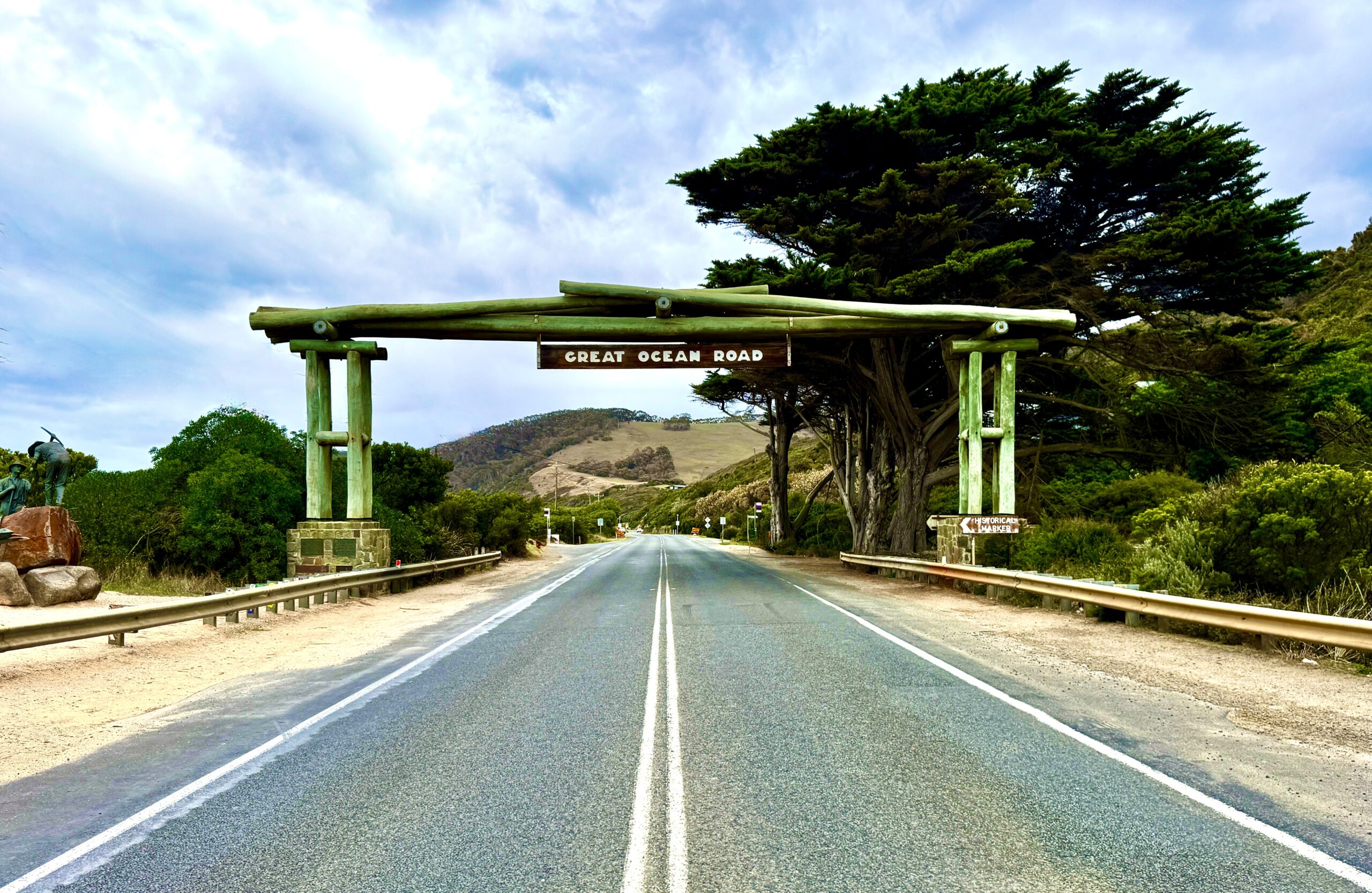

What a great way to start Act 3 by driving the Great Ocean Road, surely one of the most spectacular coastal road trips in Australia, if not the world, possibly rivalled only by driving through Big Sur along the northern Californian coast.
Interestingly The Great Ocean Road has a story as winding as its famous curves! Built between 1919 and 1932, it was the world’s largest war memorial, constructed by returned WWI soldiers who probably didn’t expect to become road builders after surviving the trenches. No armed with basic tools, explosives, and questionable safety standards, these 3,000 “soldier settlers” carved 243 kilometres of spectacular coastline highway through some of Australia’s most spectacular and testing terrain.
Originally called the “tourist road” it was designed to connect isolated coastal communities and provide city dwellers with a scenic route, one that would likely leave them spectacularly carsick. The project took 13 years to complete, cost £13 million, and claimed several lives, though remarkably fewer than one might expect given that workers spent a lot of their time dangling on ropes over cliffs with sticks of dynamite.
Today, millions of tourists flock to drive this engineering marvel, stopping to photograph the Twelve Apostles (which were never twelve in number and certainly aren’t apostles), dodging tour buses, and trying to photobomb each other’s selfies. Fortunately for me, traveling in the off-season meant I mostly encountering locals with very few other travelers around.

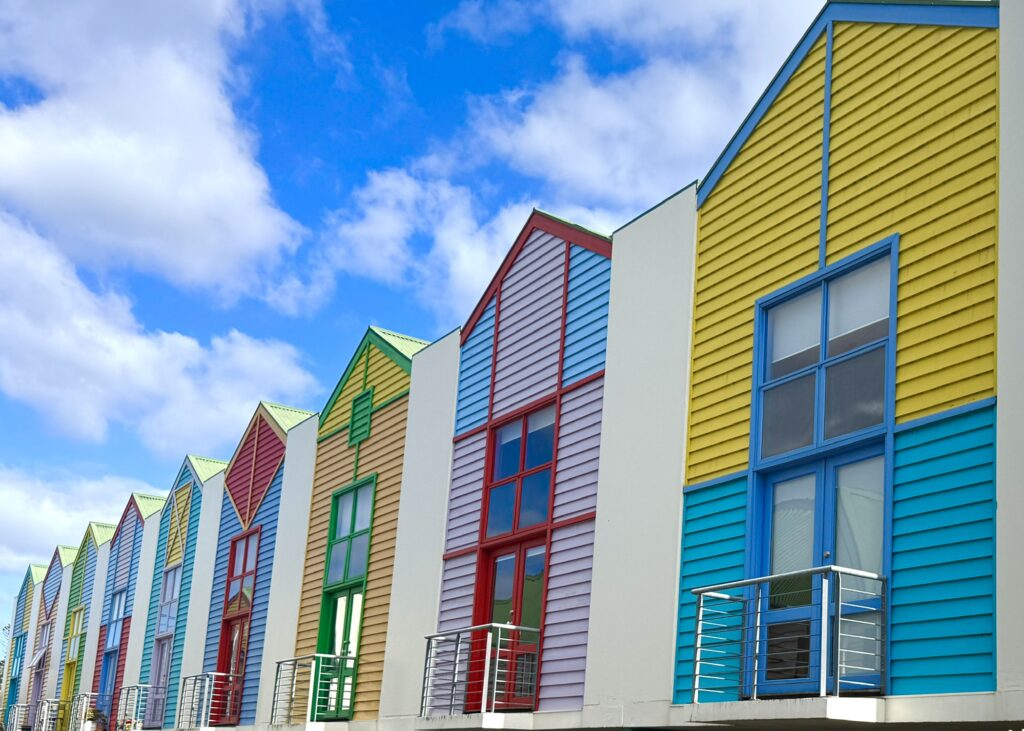
Most agree the TGOR begins at Torquay, famous for Bells Beach and as the birthplace of the global surf industry. Rip Curl and Quicksilver pioneered wetsuit development in the 1970s and fostered professional surfing, both concepts that don’t necessarily align with surfing’s free-spirited ethos, yet have evolved into global businesses and tours nonetheless. Once the domain of hippie surfies living, and doing other things, in the back of their panel vans much to the chagrin of the locals, Torquay has now gentrified into what seems like a retirement village for aging surfers more interested in their super funds than the swell and wind directions.
Where the road ends nobody can quite agree. Some say Port Fairy, others the Victorian border but I’m going with Victor Harbour in South Australia. My reasoning lies in the coast’s alias as “The Shipwreck Coast”, this stretch of coastline has recorded no fewer than 1,200 shipwrecks over the past 200 years, making it a veritable maritime graveyard triangulated by Bass Strait, Victoria’s west coast, and South Australia’s exposed eastern shores.
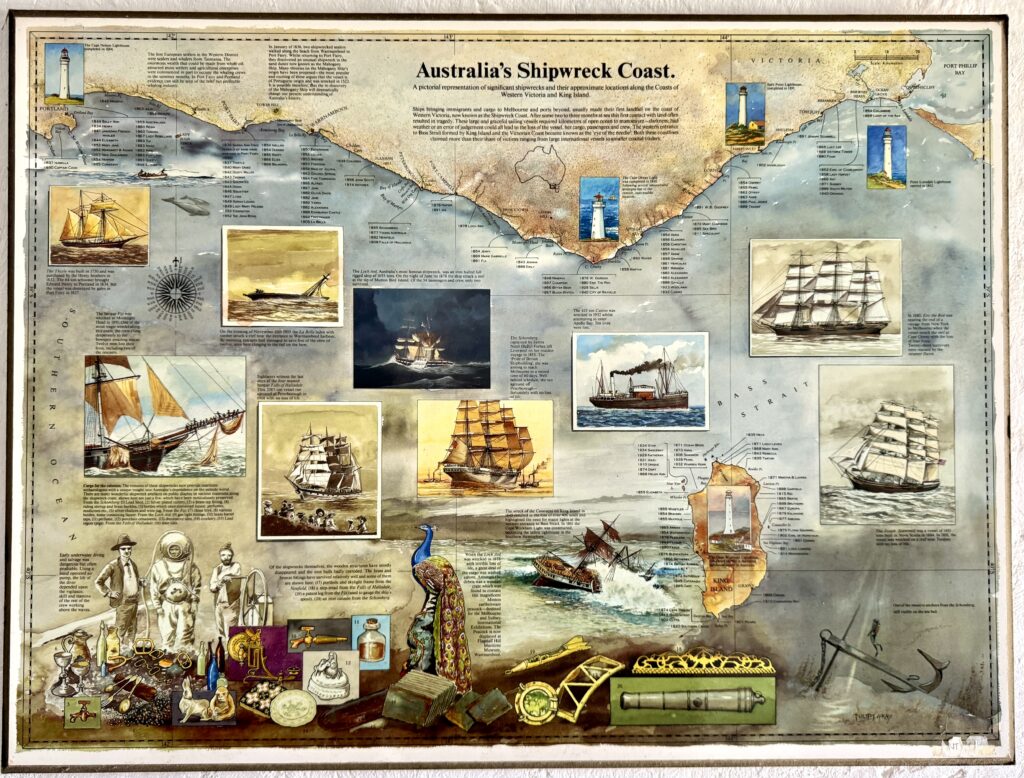
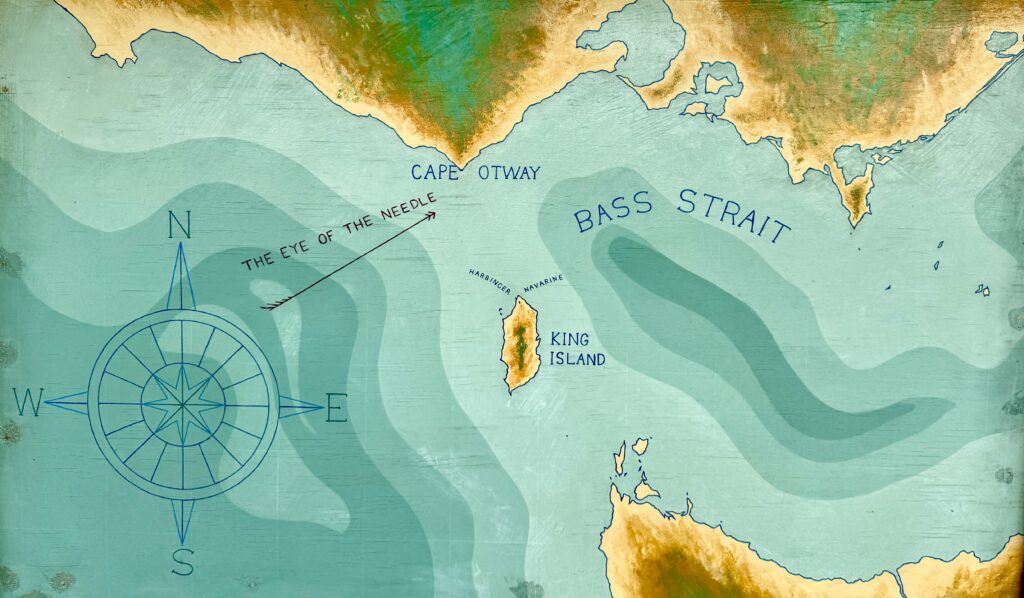
The most devastating disasters read like a maritime horror story. The Cataraqui in 1845 remains Australia’s deadliest civilian maritime disaster, claiming over 400 lives, while ten years earlier the Neva met the same fate in the same location with 224 lives lost. The 1878 wrecking of the Loch Ard near Port Campbell claimed 52 lives with only two survivors, and in 1859 the Admella was wrecked off Beachport in South Australia where, despite a week-long rescue drama 89 people were lost. Other major disasters included the Fiji in 1891, the Falls of Halladale in 1908, and the Schomberg in 1855, which was carrying 380 passengers on her maiden voyage.
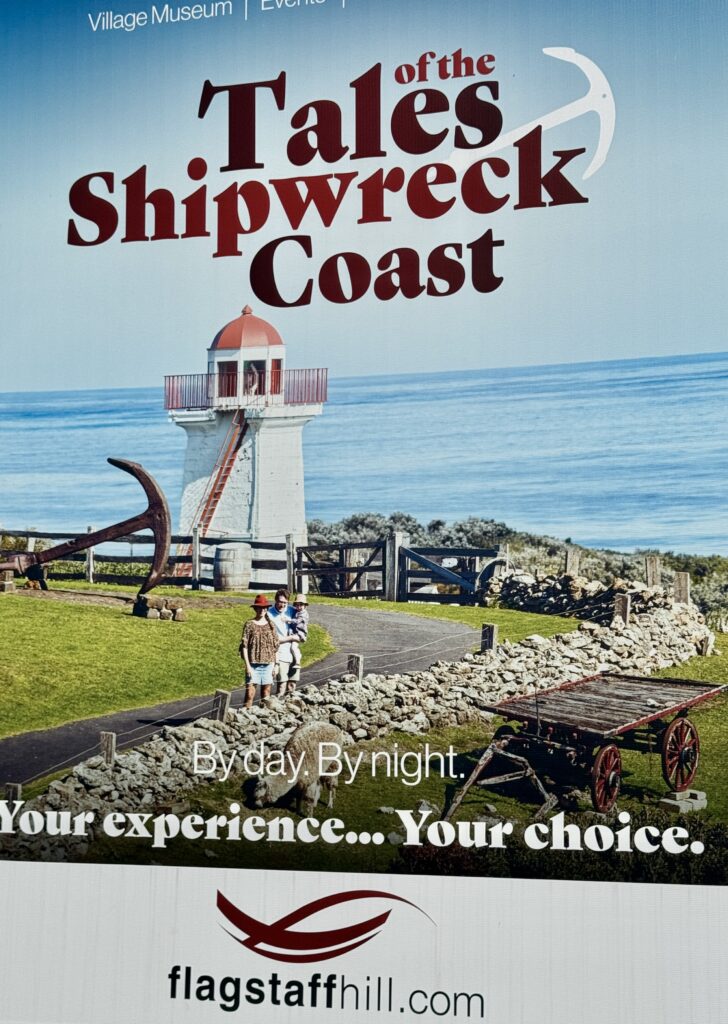
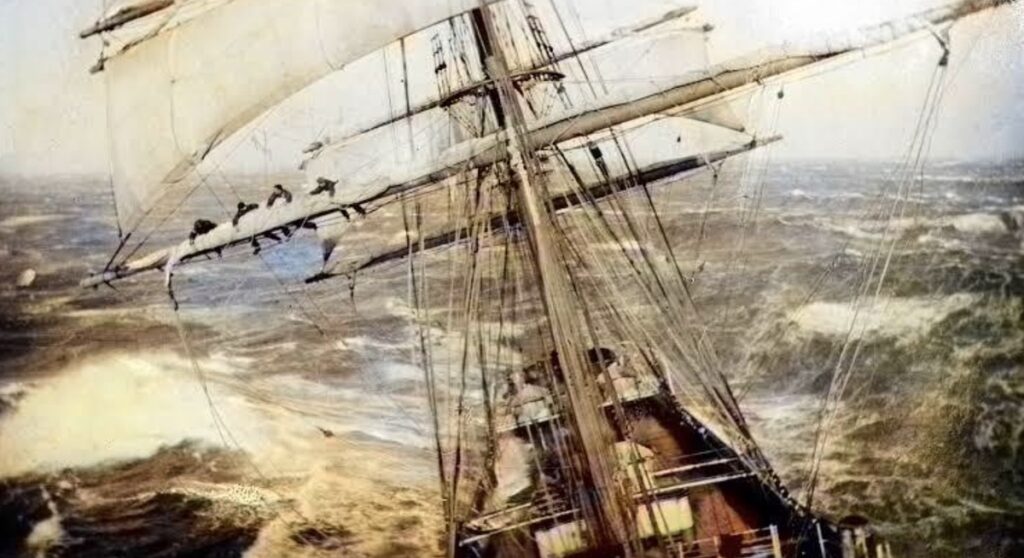
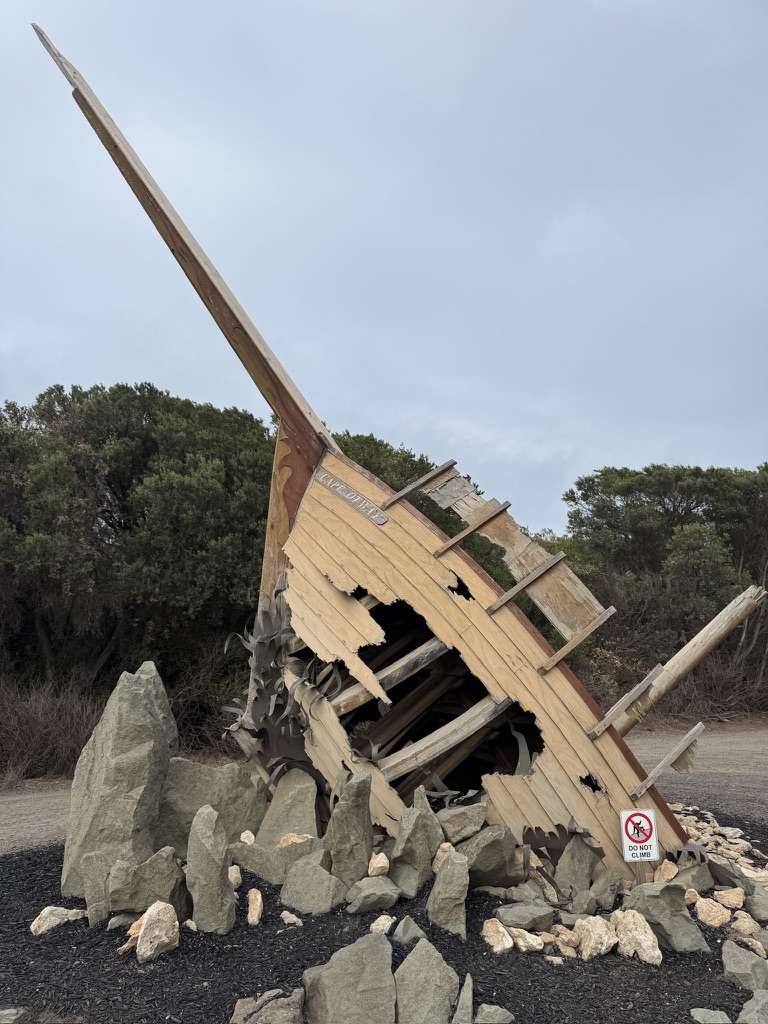
Even today this wild and unpredictable coastline continues claiming vessels and lives, fishing trawlers, recreational boats and cargo ships, and remains one of the world’s most dangerous shipping routes. While improved navigation technology and rescue services have reduced casualty rates compared to the murderous 19th century, every year it seems to add to it’s deadly toll.
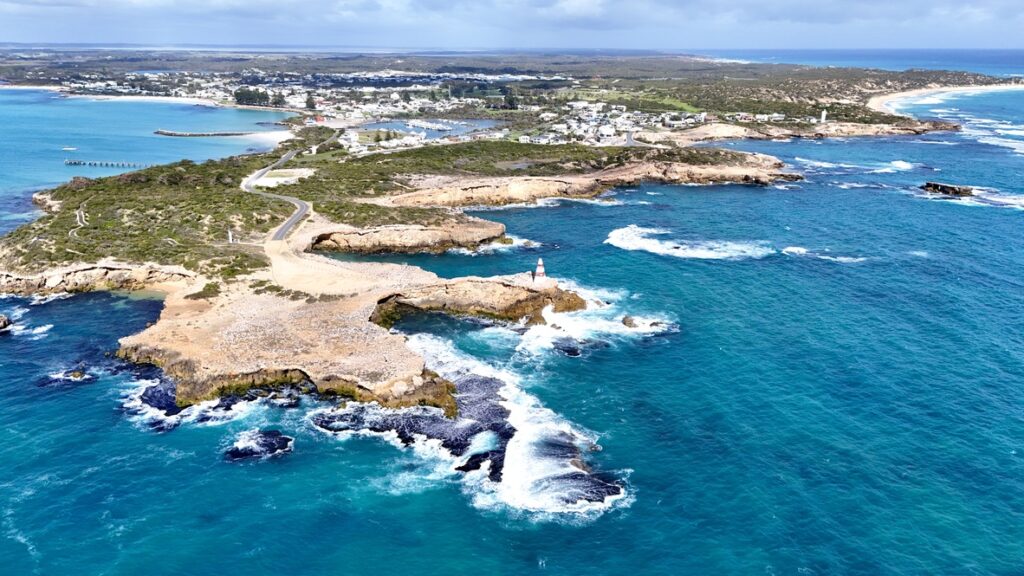
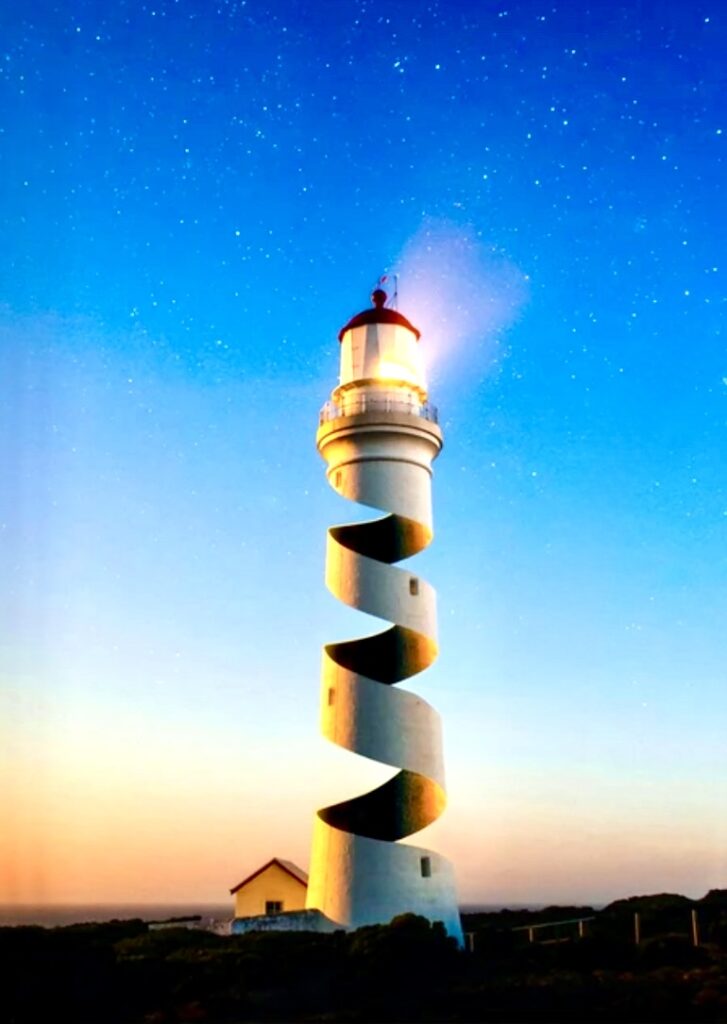
Faced with such maritime carnage along this essential link to the rest of the world, 19th century authorities were forced to take action and commissioned a series of lighthouses to “light the way.” These included Cape Otway in 1848, Cape Willoughby in 1852, Lady Bay in 1854, Cape Northumberland in 1858, Griffiths Island, Middle Island and Battery Point in 1859, Point Lonsdale in 1863, Cape Jervis and Flagstaff Hill in 1871, Cape Jaffa in 1872, Penguin Island in 1878, and Cape Banks in 1883.
Just as unsurprisingly, where there are lighthouses there are tales of tragedy, madness, and supernatural encounters. The crown jewel of Australia’s haunted lighthouses is Cape Otway, with at least five confirmed resident spirits. The most heartbreaking is a little girl whose presence has moved hardened skeptics to tears during nighttime ghost tours. Keepers have also reported strange footsteps, doors slamming, and the overwhelming presence of unseen watchers on stormy nights. Split Point Lighthouse at Aireys Inlet has an even more sinister tale, it’s said to be haunted by a young woman murdered by her lighthouse keeper father who took his pregnant daughter fishing one night and returned alone. For over a century teenage boys have reported seeing her ghostly figure enticing them onto the rocks below.

This treacherous coastline has also produced some of Australia’s most compelling human stories. Tom Pearce became a national hero in 1878 when he rescued Eva Carmichael from the Loch Ard wreck. After clinging to an overturned lifeboat and reaching shore, he heard Eva’s screams and swam back into the treacherous surf to save her. Both were 19 years old, and their survival story captured Victorian imagination, though romantic tales of their courtship were largely fictional—Eva returned to Ireland shortly after being rescued!
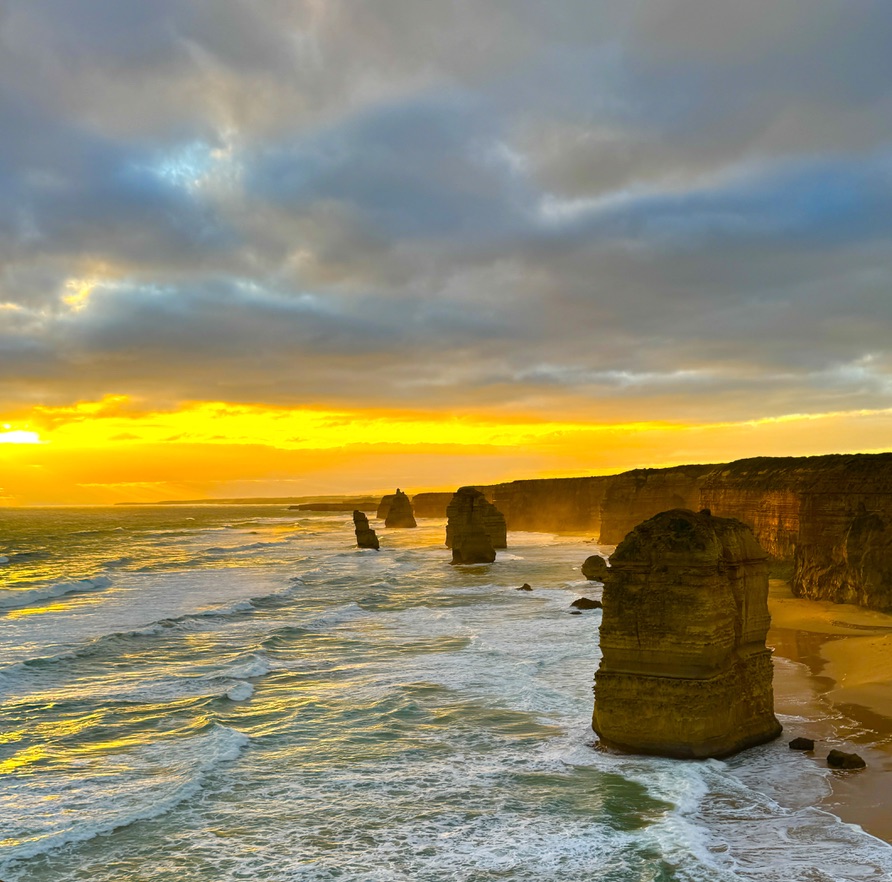

The areas maritime legacy traces all the way back to Matthew Flinders who first navigated these waters during his circumnavigation of Australia from 1801 to 1803, mapping the treacherous Bass Strait passage and southern coast that would later claim so many vessels. His detailed charts became lifelines for subsequent mariners, though even his meticulous work couldn’t prevent the maritime disasters that followed.
And so ends the history lesson and begins my traveler’s tale.
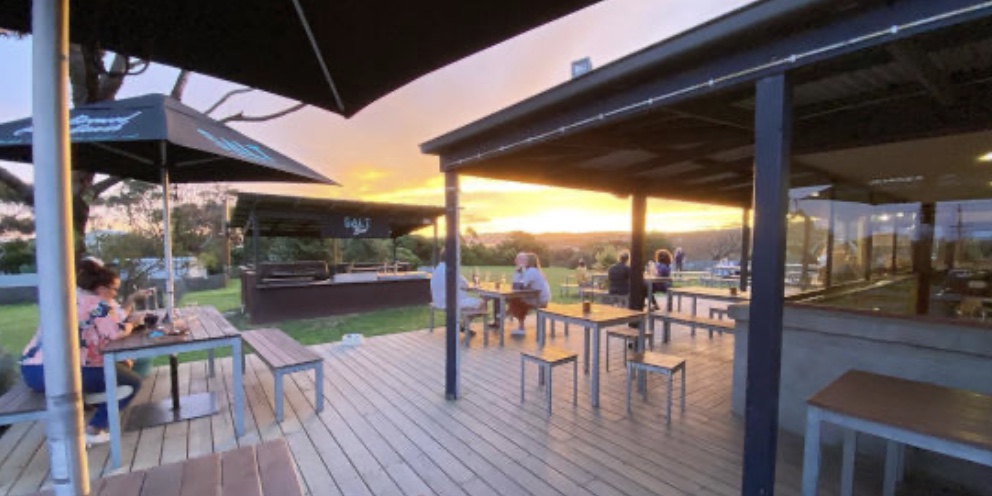
Fittingly, given the season and the coast’s fraught history the weather was cold, wet, and windy but I wouldn’t have had it any other way. It seemed entirely appropriate for visiting these lighthouses given their bleak histories, and provided the perfect excuse to drop by the many excellent establishments along the route.
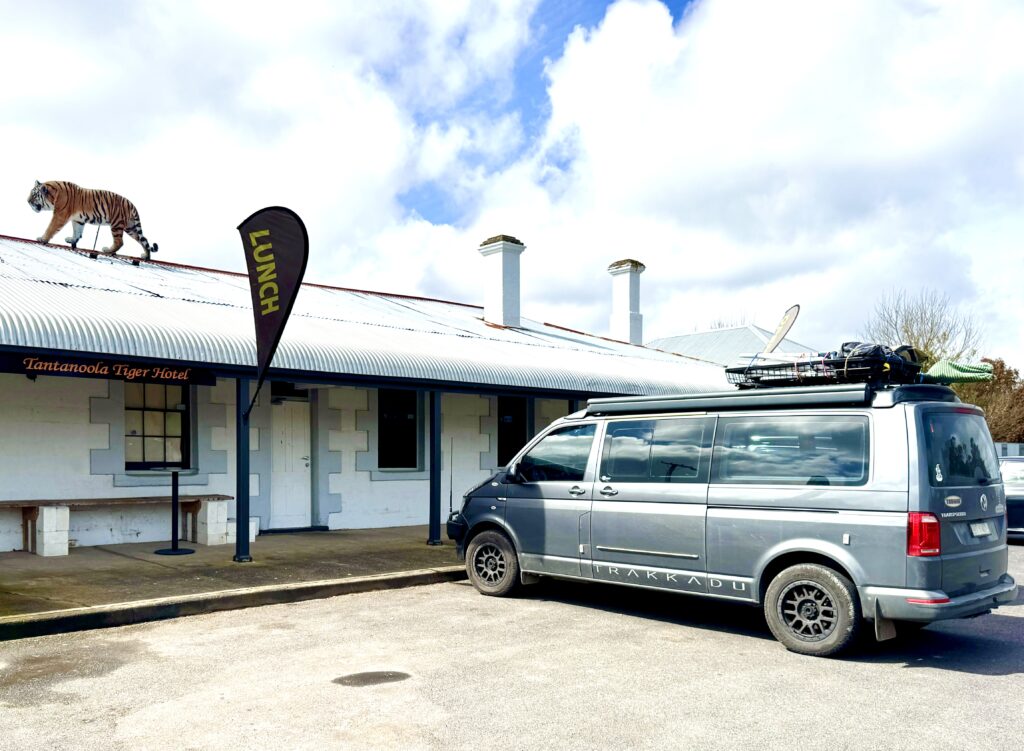
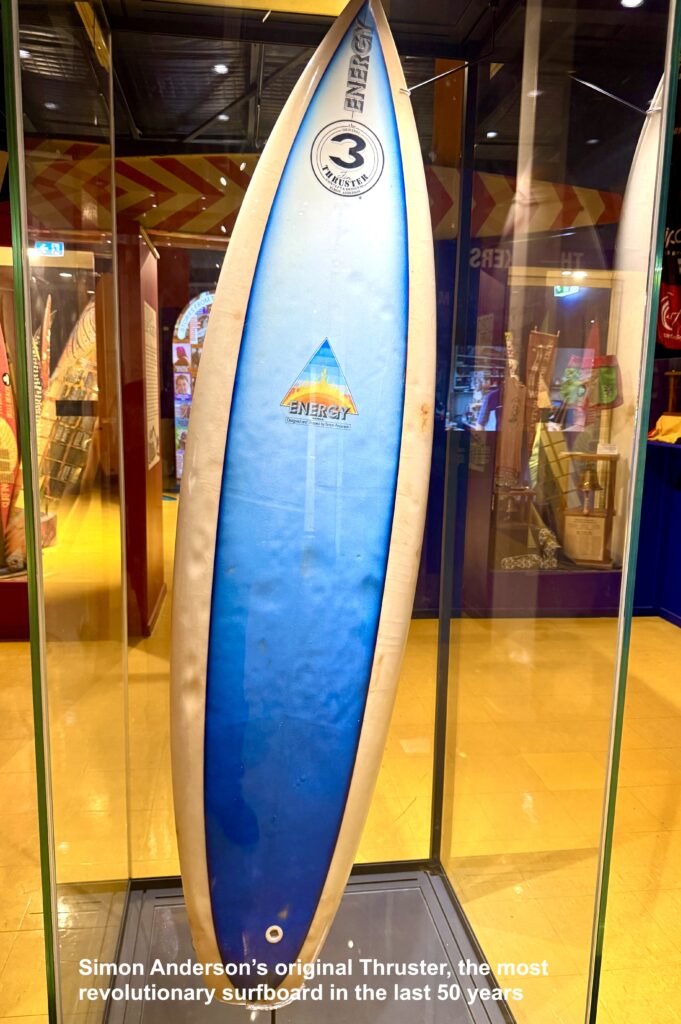
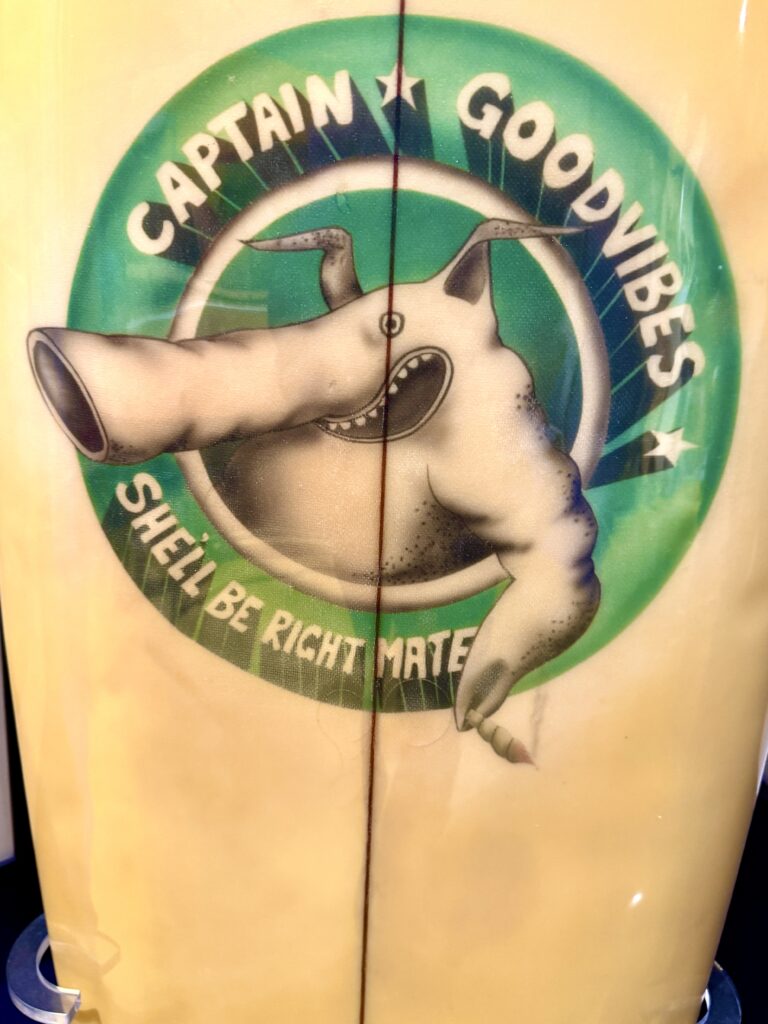
Notable stops included the Aireys Pub, the Tantanoola Tiger Hotel, and the Port Fairy fish shop (which turned out to be the back of Swazzy’s trawler while his shop is being rebuilt), and at Port Fairy Roasters where I enjoyed a cup (and bought a bag) of Ian’s excellent “Dead Man’s” blend. I also visited the Australian Surf Museum, which among all sorts of surfing memorabilia features Simon Anderson’s original Thruster on which he won Bells Beach with in 1981, and transformed modern surfboard design in the process. The museum attracts all manner of geriatric surfers hobbling around on dodgy knees, telling ever more unbelievable tales from back in the day—just like me!



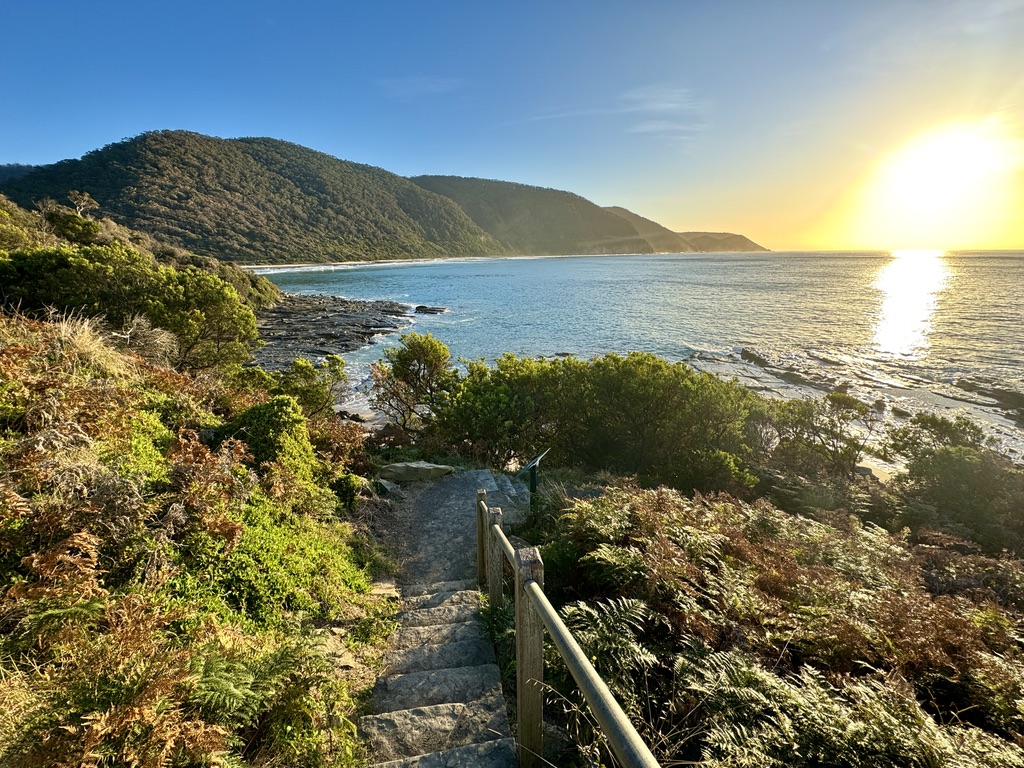
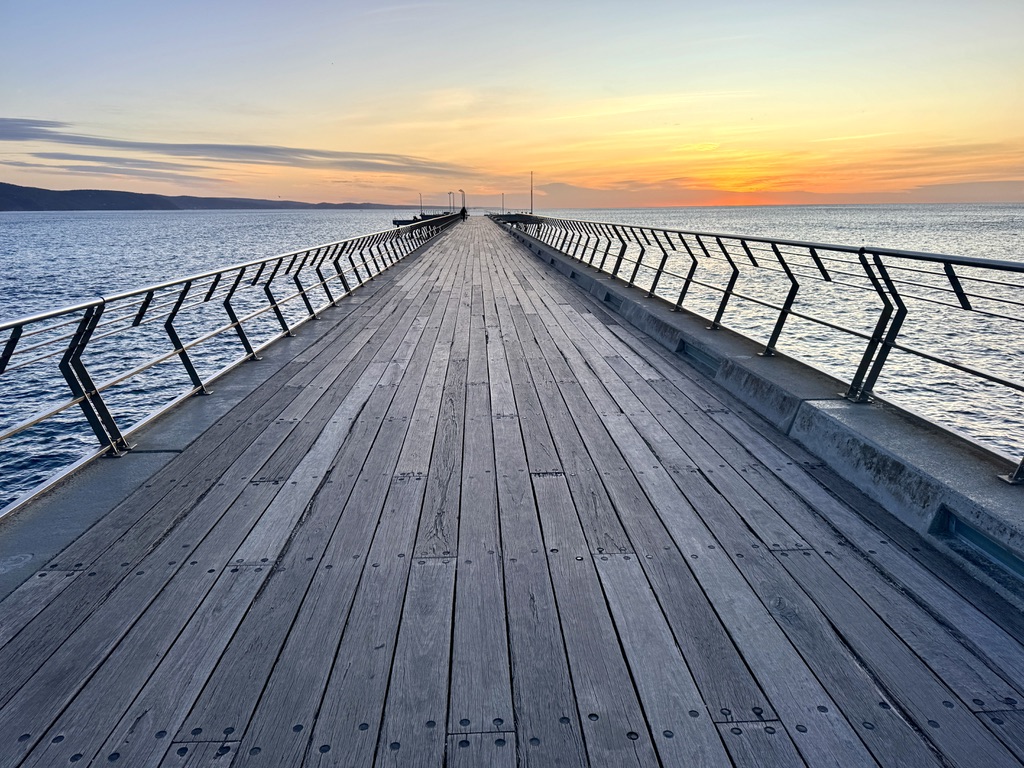
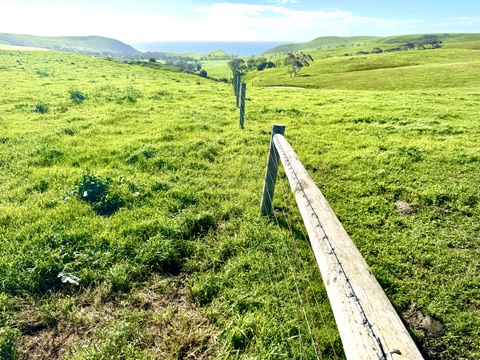
While there were many other memorable moments, the journey was ultimately about the spectacular scenery and the wild, raucous ocean. From dense forests to rolling hills and coastal settlements that seem so chilled (both meanings of the word) now but become hot and hectic over the summer holidays. There were a few pleasant surprises too including the unheralded but spectacular Currency Creek, Port Elliot and the Fleurieu Peninsula in South Australia, which happened to be the stepping-off point for my next adventure, Kangaroo Island (but that’s another story!
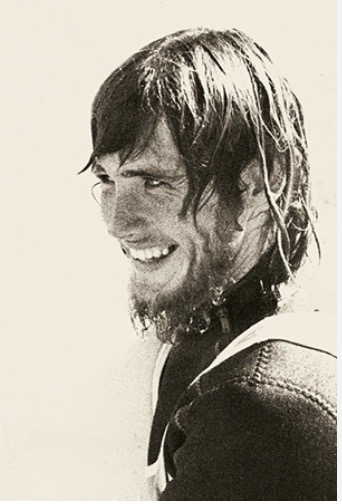
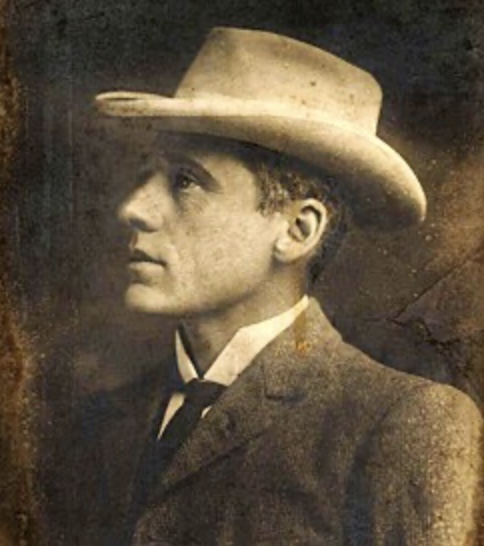
p.s. As I passed through the various towns and cities I found myself wondering who or what made them “famous” and here are a few of my findings: Aireys Inlet claims William Buckley, the escaped convict who gave rise to the expression “Buckley’s chance.” Port Fairy, Warrnambool, and Portland all claim three-time premiership winning AFL player Jonathan Brown as a native son, so unless there are three famous Jonathan Browns, two of them are fibbing. I also understand Port Fairy claims to be the hometown of Tinkerbell but I can’t substantiate this. Joannah, a name with no place, rumored home of the legenday but elusive surfer Wayne Lynch. Robe which wasn’t the birthplace of Mary MacKillop, later to become Saint Mary MacKillop, but she went on to enshrine herself nearby at Penola, and Victor Harbour claims Andrew Barton “Banjo” Paterson, who wasn’t born there but supposedly spent his childhood in the area.



Frankly, I can’t understand why anybody would want to leave this piece of paradise, except when the cold wind blows and during the summer holidays!


Leave a Reply


